CALM Framework
A practical framework for leading challenges, shaping culture, and building consistent school systems
What CALM Is
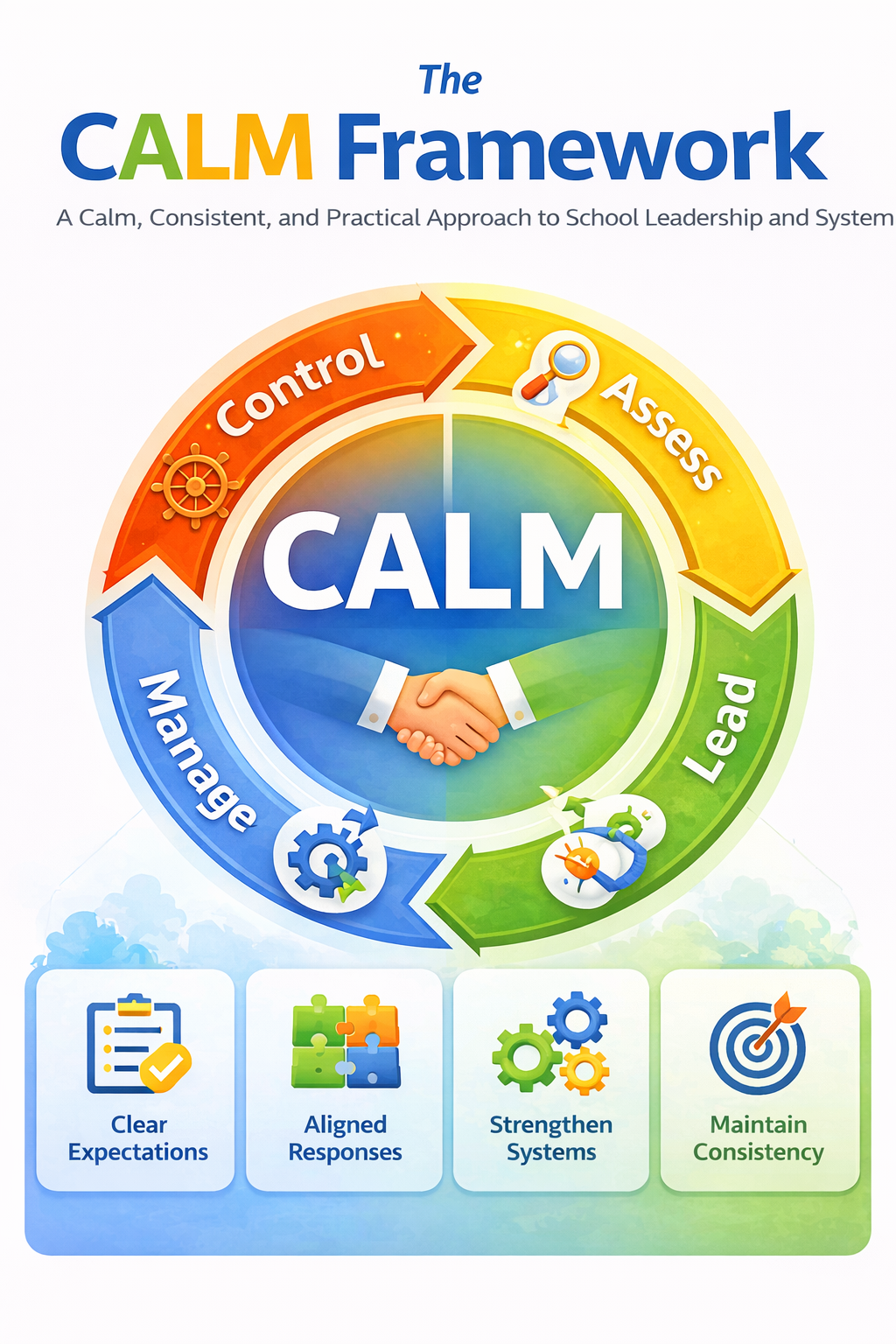
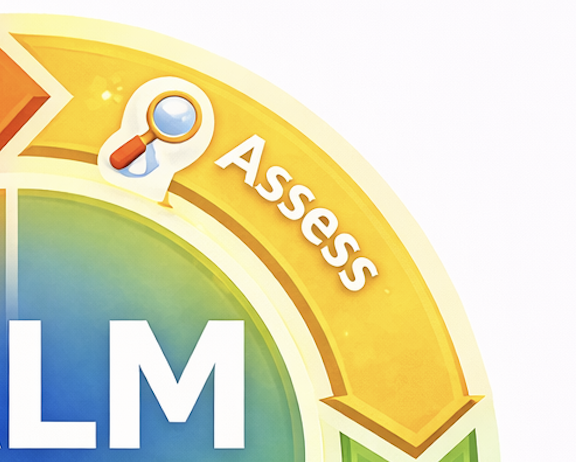
CALM is a practical framework designed to help school leaders respond with clarity, consistency, and purpose while building the systems that strengthen school culture over time.
Schools do not struggle only because difficult situations happen. They often struggle because adult responses are reactive, inconsistent, unclear, or unsupported by strong systems.
CALM helps leaders move beyond repeated problem-management by creating a more intentional approach to how challenges are handled, how adults align, and how systems are strengthened.
CALM is more than a way to manage difficult moments. It is a leadership mindset and a systems lens.
What CALM Stands For
CALM is a practical framework for leading challenges, shaping culture, and building consistent school systems.
C — Control the Environment
Stabilize the setting and tone before solving the issue.
A — Assess the Situation
Pause and understand what is really happening before deciding.
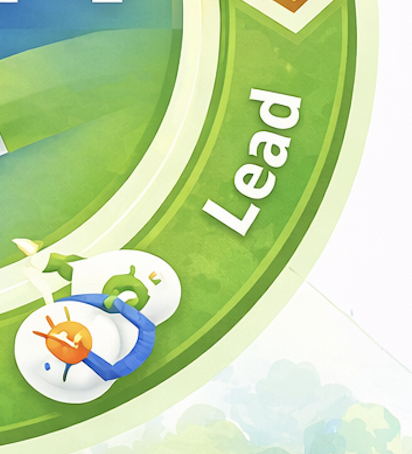
L — Lead the Response
Respond with clarity, professionalism, and consistency.
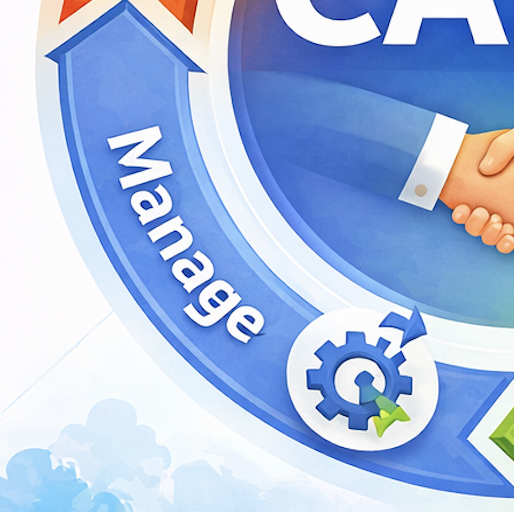
M — Move Forward
Follow up, restore trust, and strengthen the system.
Control the Environment
The first step in CALM is to stabilize the environment before trying to solve the problem.
For leaders, this means bringing steadiness into tense situations, controlling tone and pace, reducing confusion, and helping others stay focused and regulated. It means recognizing that the environment surrounding a challenge often shapes how well the challenge can actually be handled.
In schools, unstable environments often lead to rushed decisions, emotional reactions, and unclear communication. CALM begins by creating the conditions for a better response.
You cannot expect calm decisions in an unstable environment.
Assess the Situation
The second step is to pause and diagnose before responding.
Not every issue is what it first appears to be. A repeated discipline concern may actually be a systems issue. Staff frustration may reflect unclear expectations. Parent conflict may reveal a communication breakdown rather than a one-time disagreement.
For leaders, assessment means gathering facts, separating assumptions from evidence, looking for root causes, and understanding whether the problem is isolated or systemic.
The better the diagnosis, the stronger the response.
The better the diagnosis, the better the response.
Lead the Response
Once the environment is stable and the issue is understood, leaders must respond with clarity, professionalism, and consistency.
This means responding instead of reacting. It means communicating clearly, holding boundaries without escalating, and aligning action with school values and expectations. It also means helping staff and families experience leadership as steady, predictable, and trustworthy.
Strong leadership is not passive. It is intentional.
A strong response is not emotional. It is intentional.
Move Forward
CALM does not stop at resolution. It asks leaders to create progress after the moment.
This means following up, restoring trust when needed, clarifying expectations, identifying patterns, and improving systems so the same issue is less likely to repeat.
Many schools handle immediate issues without building anything stronger afterward. CALM is built on the belief that difficult moments should lead to greater clarity, better alignment, and stronger systems over time.
The goal is not just to end the problem. The goal is to create progress.
How CALM Works in Practice
CALM can be applied to real leadership situations such as:
student discipline concerns
staff frustration or inconsistency
parent complaints or communication challenges
recurring hallway, supervision, or transition issues
leadership team alignment
systems that create unnecessary burden or repeated stress
The framework helps leaders think through the moment clearly while also asking a deeper question:
Is this just a moment to manage, or is this a system that needs to be strengthened?
That question is what helps CALM move from a leadership response model to a systems improvement model.
Why CALM Is Different
Many leadership models focus on theory, inspiration, or broad vision.
CALM focuses on what leaders actually do when things get hard.
It is built around practical leadership moves, real school challenges, and the systems that shape whether improvement lasts. Rather than treating each problem as isolated, CALM helps leaders build a consistent approach that reduces recurring issues and strengthens the overall environment for staff, students, and families.
CALM is designed for leaders who want more than short-term fixes. It is for schools that want clarity, consistency, and stronger systems over time.
More Than a Framework
CALM is more than a training tool. It is a practical approach to leadership and systems development.
It helps schools:
reduce reactive responses
improve adult consistency
strengthen trust and follow-through
identify systems gaps behind repeated issues
build calmer, stronger, and more sustainable school culture